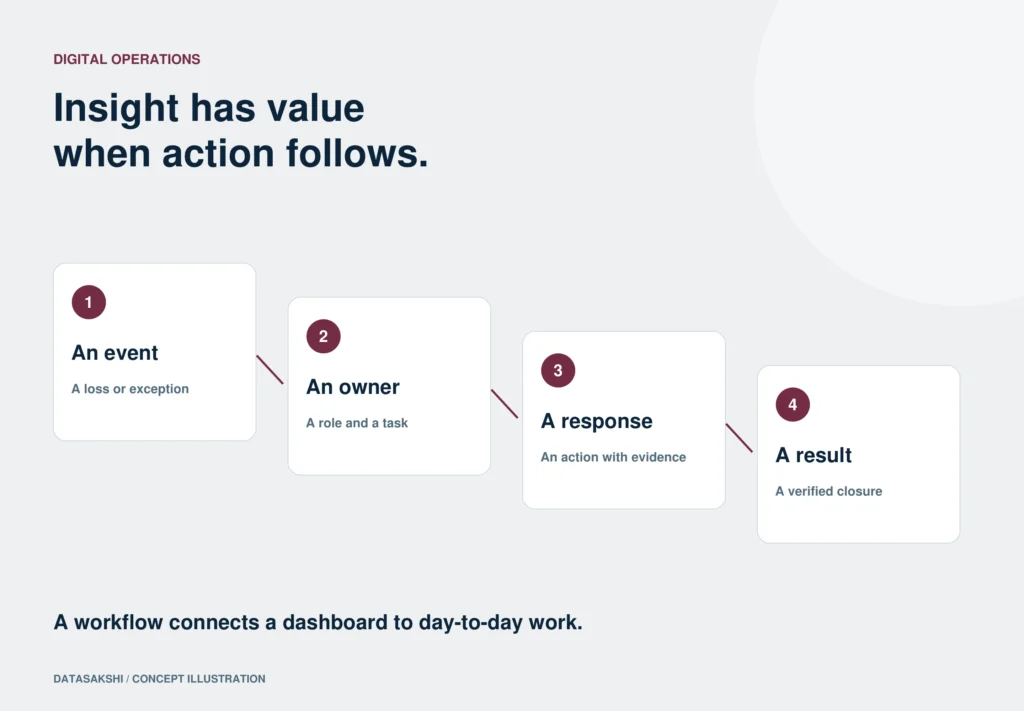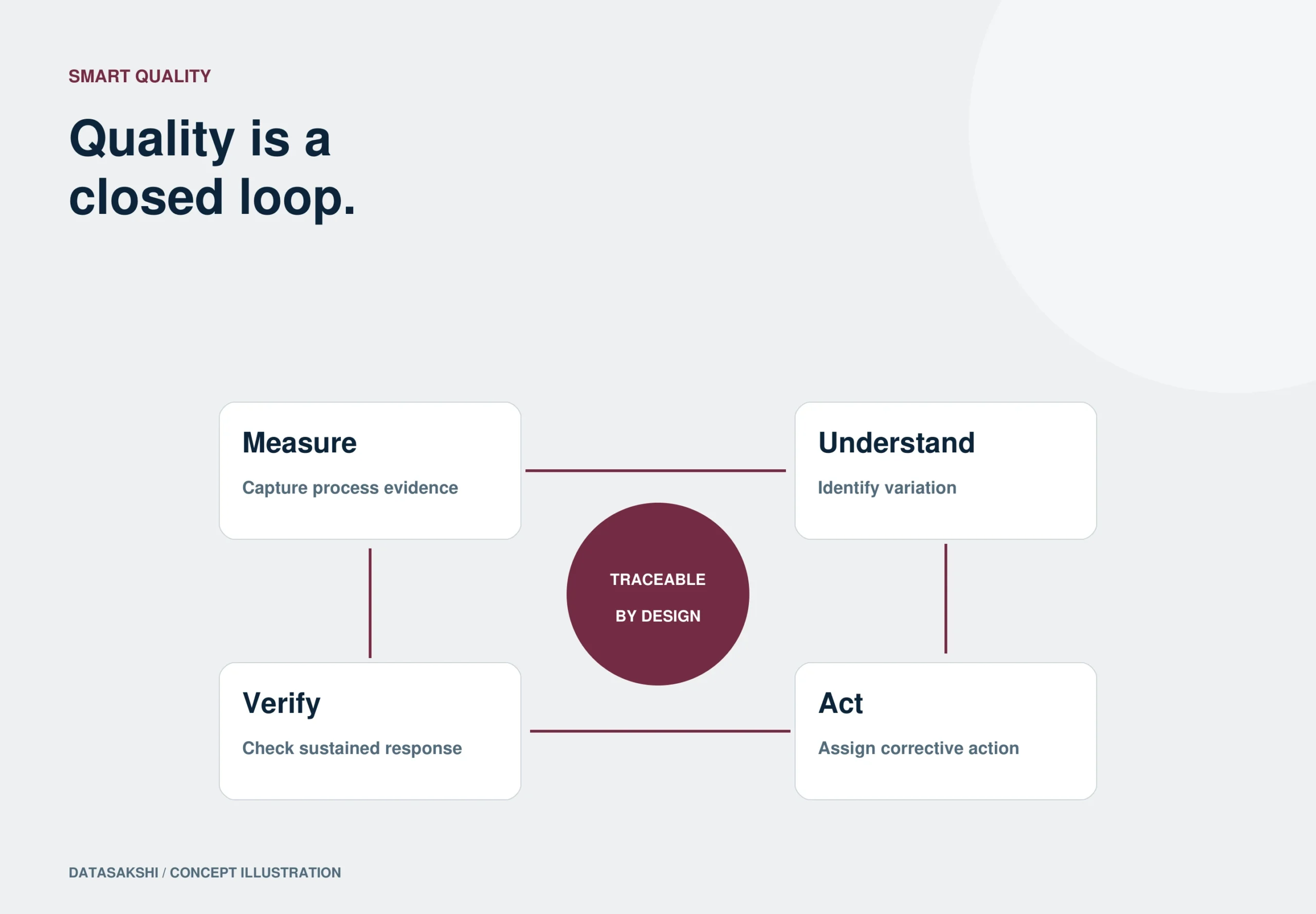
Moving a check sheet onto a screen changes how a measurement is captured. The larger opportunity is to preserve what happened around it: which product was checked, which plan applied, what needed attention and whether the response worked. Start with that complete quality loop when planning digitalisation.
IN BRIEF
- Design the record around the quality decision.
- Preserve the identity and context of each measurement.
- Verify the response before treating the issue as resolved.
Start with one inspection routine
Choose a recurring incoming, in-process or end-of-line check. Map who takes the measurement, which instrument is used and what happens when the result needs attention. Build the digital form around that sequence. Include document version and product variant where relevant, so the team knows which instructions governed the check rather than seeing only a value and a date.
The source material places digital check sheets within a quality plan: change control, version control, calendars and searchable records belong together. This matters when a component or process variant changes. The aim is not to reproduce every paper field on a tablet. It is to preserve the information needed to interpret the check, follow the correct routine and decide what should happen next.
Keep context attached to the result
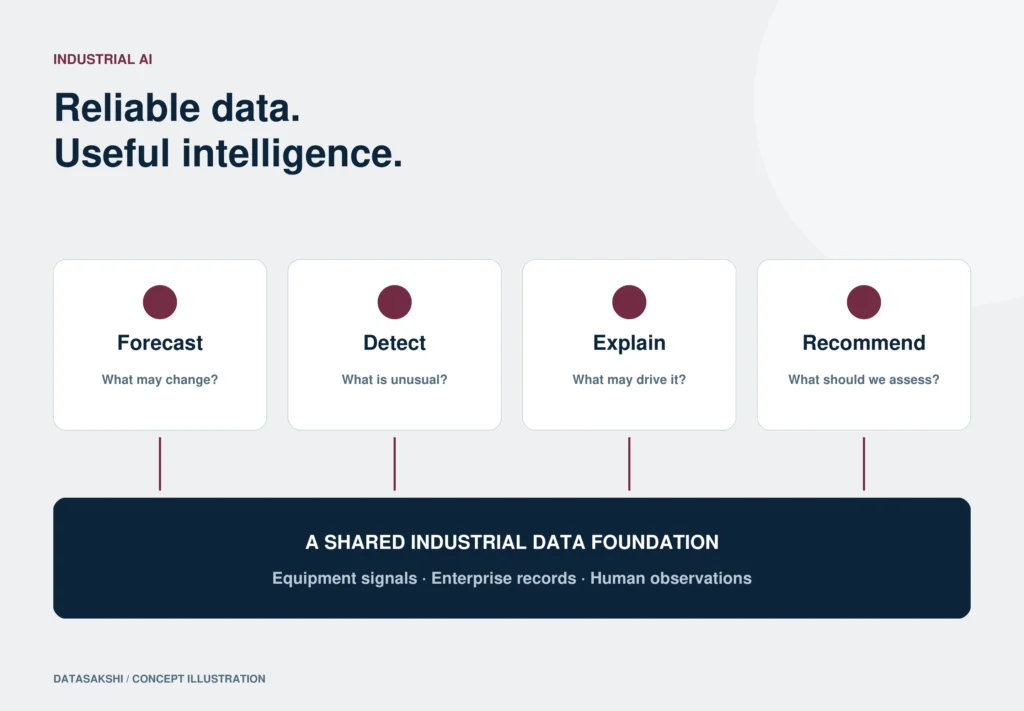
A measurement needs an identity that survives the handover. Determine which batch, component, job, process stage or gauge reference the investigation requires. Equipment integration can reduce repeated entry, while people still supply observations about the work. StatPort supports connected gauges and measurement systems alongside digital checks and identification methods such as barcode, QR, RFID and BLE.
The November brochure includes incoming, in-process, semi-finished and end-of-line sampling, with air gauges, handheld instruments and CMM connections. These are different capture situations, not interchangeable inputs. A useful first discussion identifies the instrument, the operation and the product context for each record. It also establishes which details come directly from equipment and which still require an operator’s observation.
Distinguish the signal from the cause
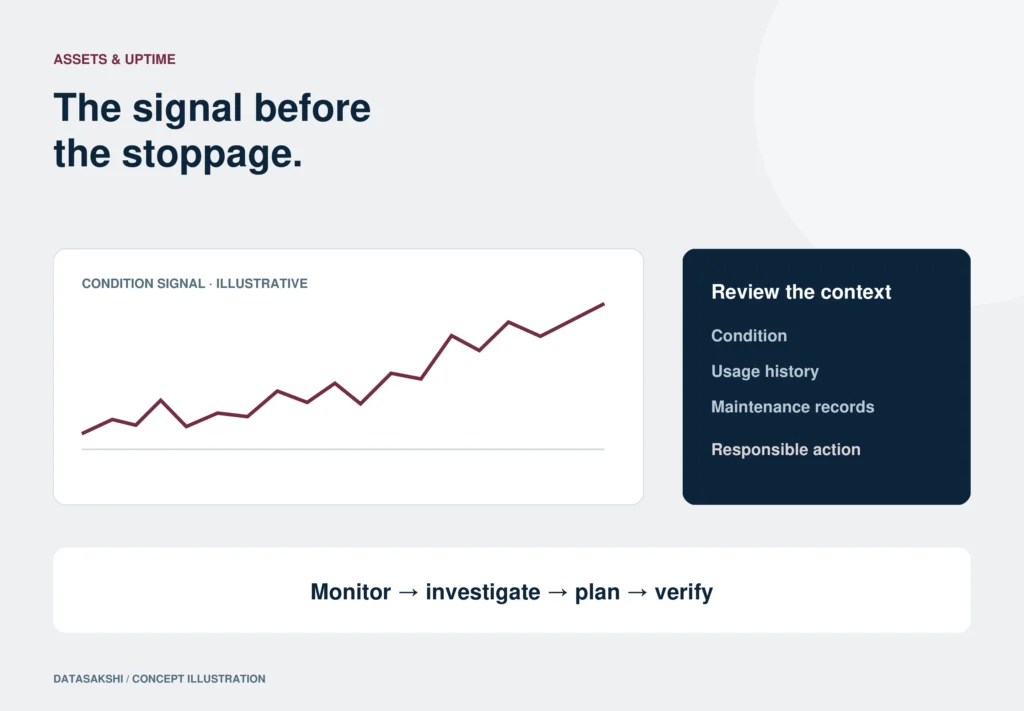
Statistical process control (SPC) examines process behaviour and variation. A chart or an unusual reading directs attention; it does not establish the cause by itself. Review the relevant production conditions. A 4M investigation—man, machine, material and method—provides one structure for testing possible contributors. Keep the supporting observations with the issue so later reviews can assess the reasoning.
Smart Quality presents stability and capability views, including Cp and Cpk, alongside the defect heat map and 4M analysis. These views serve related but distinct review needs. They should help a quality specialist decide where to investigate rather than suggest that one chart proves a diagnosis. Keep the original measurement and the relevant operating context accessible when moving from an alert into an investigation.
Make CAPA a sequence with evidence
Corrective and preventive action (CAPA) needs more than an assignee and a closed status. Record what was changed, who completed the work and how effectiveness will be checked. Agree the follow-up conditions in advance. If the issue returns, the earlier measurements and actions should remain accessible, allowing the team to build on the investigation instead of beginning again.
The presentation describes a closed loop in which tickets are followed to an outcome and reopened if the outcome is not sustained. That principle changes the meaning of closure. A completed correction is a record of work; a sustained result needs follow-up evidence under relevant conditions. Retain both, including observations that did not support the first explanation, so the record remains useful when a problem returns.
Review one complete loop before expanding
Test capture, issue handling, investigation and verification together. Can the next shift understand the record? Can the quality engineer find the evidence behind closure? StatPort connects version-controlled check sheets, statistical analysis and CAPA follow-through. Start with a routine where these connections are useful, then extend the approach using what the team learns from the first working loop.
The pilot should include the people who capture readings, those who investigate and those who release or review the next step. Ask them to retrieve one earlier issue and explain it without relying on the original investigator. If the record cannot support that conversation, refine its context and handover before expanding the number of digitised checks.
ILLUSTRATIVE SHOP-FLOOR SCENARIO
An in-process check that crosses a shift change
In an illustrative machining process, an in-process dimensional reading needs attention shortly before shift handover. The useful digital record includes the component, applicable check-sheet version, instrument reference, reading and relevant machine or process observation. The incoming quality engineer should see the issue and the proposed investigation without reconstructing it from a paper sheet and separate messages.
After the agreed correction, the follow-up record shows which checks were repeated and whether the concern returned. A closed status alone is not substituted for those observations. The example demonstrates the information flow; it does not prescribe an inspection limit, sampling plan or release decision for a real component.
Bring these questions to the first review.
- Which inspection and product variant will we start with?
- Can the record identify the applicable plan and instrument?
- Who reviews an exception and records the action?
- What evidence is needed before the issue is closed?
Source notes & editorial boundaries
November capability brochure, pages 5 and 7–8; November presentation, slides 6 and 9. The handover scenario and suggested review questions are editorial illustrations.
This article is prepared from DataSakshi’s supplied materials. Product statements retain their stated scope. Practical examples are illustrative, not customer testimonials or performance promises.